
Unlocking the Earth: The Role of Airborne Geophysics in Sustainable Development
Understanding Airborne Geophysics
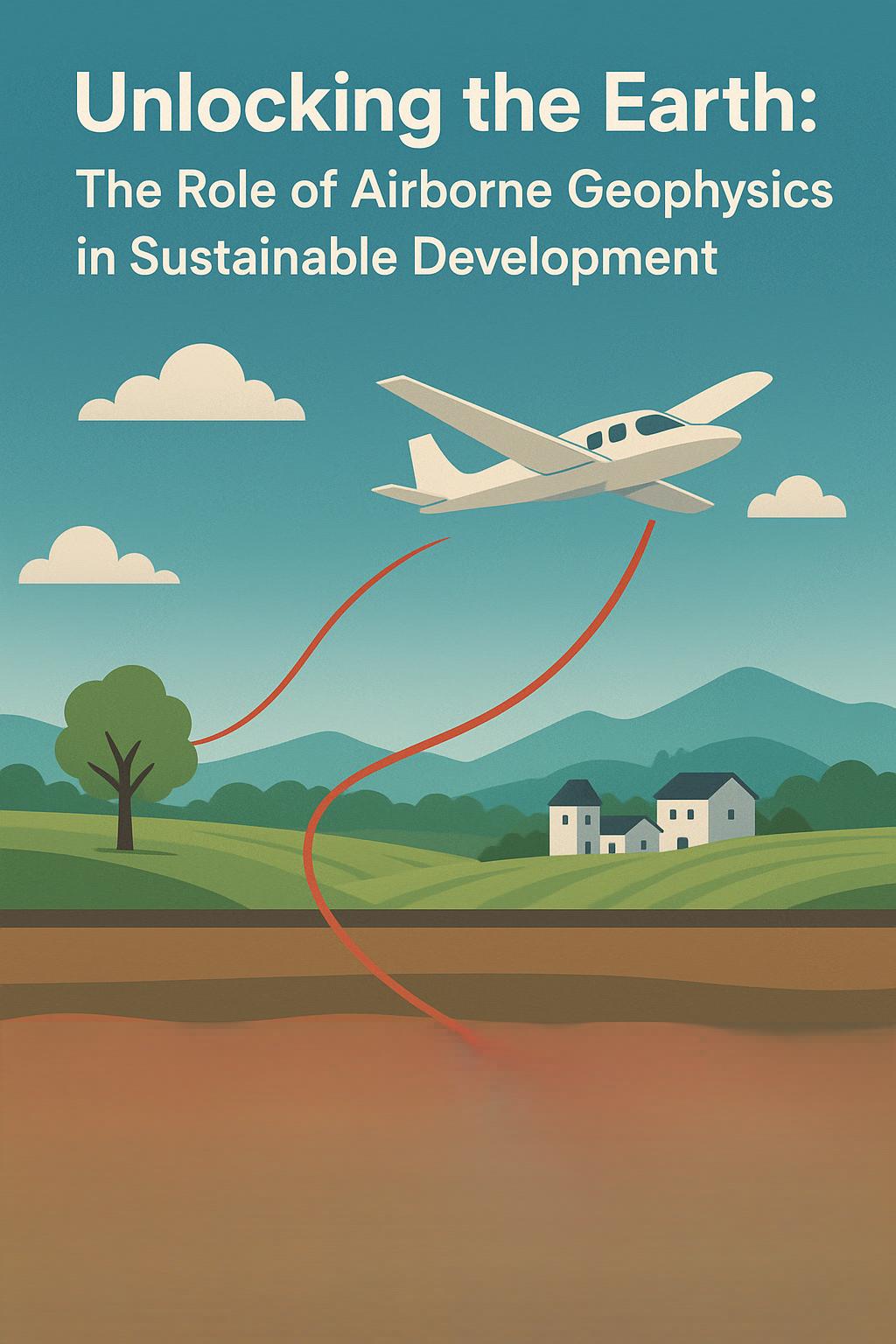
Airborne geophysics is a cutting-edge method used to gather data about the Earth's subsurface through aerial surveys. By utilizing a specialized fleet of aircraft, we can collect high-resolution data that is crucial for various applications, including resource exploration, environmental monitoring, and infrastructure development.
The Importance of Precision and Integrity
At the National Geoscience Service (NGS), our mission is rooted in scientific integrity and precision. With evolving technologies and methodologies, our approach ensures that the data we provide transforms uncertainty into actionable insight. Here’s how:
- Advanced Imaging Techniques: Using state-of-the-art geophysical instruments allows us to reveal the complexities of subsurface geology with unmatched clarity.
- Data Accuracy: Our focus on high-resolution imaging means that resource assessments are conducted responsibly, providing stakeholders with reliable information.
- Ethical Practices: We adhere to strict ethical guidelines that prioritize safety and environmental stewardship in all our operations.
Sustainable Discovery: From Minerals to Water Security
As Africa’s most trusted partner in airborne geoscience, NGS is committed to enabling sustainable discovery across the continent. Here are some key areas where our services make a big impact:
1. Identifying Critical Minerals
The demand for critical minerals is soaring, especially with the push for green energy solutions. Our capabilities include:
- Mapping Mineral Deposits: Using geophysical data to locate essential resources like lithium and cobalt.
- Reducing Exploration Costs: Delivering precise data helps reduce exploration expenses and accelerates project timelines.
2. Mapping Deep Aquifers
Access to clean water is essential for both communities and ecosystems. Our geophysical surveys facilitate:
- Groundwater Assessment: Detecting and mapping aquifer systems to support water security initiatives.
- Policy Development: Providing reliable data that informs water management strategies and policy-making.
Our Continued Growth and Future Goals
Founded in 2025, NGS began with a modest fleet of five modified aircraft. Today, we have expanded significantly, enhancing our capabilities to address Africa's diverse geological challenges. Our vision for the future includes:
- Technological Advancements: Investing in new technologies to improve data collection methods and analysis.
- Expanding Our Reach: Growing our operational footprint across more regions in Africa, ensuring no area is left unexamined.
Conclusion
The pathway to sustainable development in Africa is paved with high-quality geophysical data. At the National Geoscience Service, we are committed to delivering precision, advancing scientific integrity, and transforming uncertainty into clarity. Our dedication fuels not only resource discovery but also supports the communities that rely on these resources—ensuring a brighter, more sustainable future for generations to come.